
In today’s digital world, consumers make decisions in seconds.
Before reading your content.
Before comparing your price.
Before understanding your offer.
They judge your brand visually.
This is why visual marketing is no longer optional. It is strategic. It is psychological. And it directly impacts revenue.
In this comprehensive guide, we explore Visual Marketing: How Design Influences Buying Decisions, covering psychology, branding, UX, packaging, website design, social media visuals, and conversion optimization.
Visual marketing refers to the strategic use of design elements to communicate brand value, trigger emotions, and influence purchasing behavior.
It includes:
Logo design
Brand colors
Website layout
Social media graphics
Product packaging
Typography
Photography
Video design
Visual marketing works because humans process visuals 60,000 times faster than text.
People see before they read.


Buying decisions are emotional first, logical second.
Design influences:
Trust perception
Brand authority
Price perception
Quality perception
Emotional attachment
When users see professional design, they subconsciously associate it with credibility.
Poor design signals risk.
It takes less than 1 second for users to form an opinion about a website.
If your design feels:
Outdated
Cluttered
Unclear
Unprofessional
Visitors leave immediately.
First impressions are visual impressions.
Colors influence mood and behavior.
Examples:
Blue → Trust, security
Red → Urgency, excitement
Green → Growth, health
Black → Luxury, authority
Yellow → Optimism
Brands strategically use color to guide perception.
Luxury brands often use black and gold.
Tech brands use blue.
Eco brands use green.
Color directly influences conversion rates.
Fonts communicate personality.
Serif fonts → Traditional, established
Sans-serif → Modern, clean
Script fonts → Elegant, emotional
Readable typography increases trust.
Poor font choices reduce credibility.
Consistency in typography strengthens brand recognition.


Website design is one of the strongest elements of visual marketing.
High-converting websites include:
Clear visual hierarchy
Strong contrast
Strategic white space
Clear call-to-action buttons
Professional images
Design should guide the eye toward action.
Visual hierarchy organizes content by importance.
Tools include:
Size
Contrast
Spacing
Position
Color
The human eye follows patterns (F-pattern and Z-pattern).
Design should lead visitors toward:
Headline
Value proposition
Social proof
Call-to-action
Without hierarchy, users feel lost.
Consistent branding increases recognition.
Consistency includes:
Same color palette
Same font system
Same visual tone
Same imagery style
Inconsistent design reduces professionalism.
Strong branding increases perceived reliability.

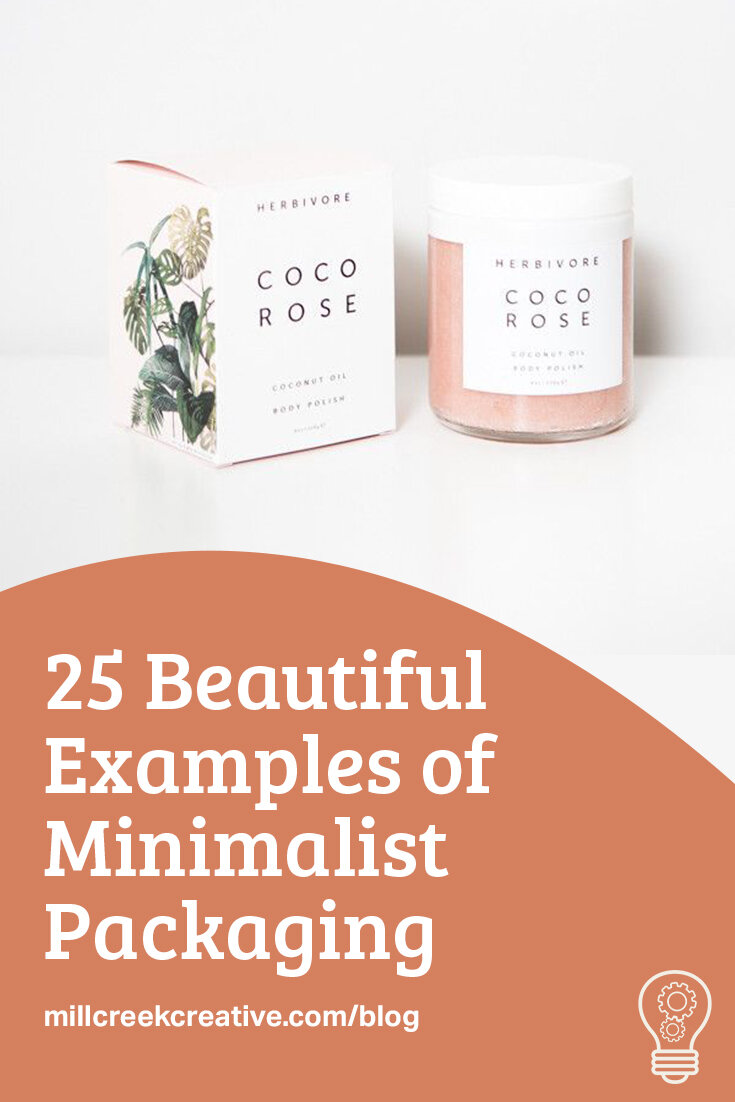

Packaging is silent selling.
Consumers judge products instantly on shelf appearance.
Good packaging:
Communicates quality
Reflects brand personality
Differentiates from competitors
Signals value
Premium packaging increases perceived price tolerance.
On social media, visuals stop the scroll.
High-performing content includes:
Bold typography
High contrast
Clean composition
Short captions with strong visuals
Consistent grid style
Visual identity increases brand recall.
Authentic photography builds trust.
Overused stock images reduce credibility.
Best practices:
Use real team photos
Show behind-the-scenes
Display real customers
Show product in action
Authenticity increases conversions.
Video combines:
Motion
Emotion
Storytelling
Sound
It increases engagement and brand memorability.
Short-form video drives impulse decisions.
Video testimonials increase trust dramatically.
Design should reflect:
Aspirations
Lifestyle
Identity
Customers don’t just buy products.
They buy how products make them feel.
Visual branding must align with target audience identity.
Over 60% of traffic is mobile.
Mobile visual marketing requires:
Large buttons
Clean layout
Simple navigation
Fast loading
Minimal distractions
Simplicity converts better on small screens.
Design elements that increase trust:
Secure badges
Testimonials layout
Review stars
Clear contact information
Professional branding
Trust visuals reduce purchase anxiety.
Luxury brands use:
Minimalism
Dark tones
Large spacing
Premium photography
Affordable brands use:
Bright colors
High-energy visuals
Bold pricing displays
Design shapes price perception.
White space improves:
Readability
Focus
Perceived quality
Clutter reduces trust.
Clean design increases conversions.
Small design changes impact conversions:
Button color
CTA size
Image placement
Layout spacing
Testing improves performance.
Data-driven design wins.
Visual marketing supports SEO by:
Improving dwell time
Reducing bounce rate
Increasing engagement
Enhancing user experience
Optimized images (ALT text with focus keyword) improve rankings.
Too many colors
Inconsistent branding
Poor-quality images
Cluttered layout
Weak visual hierarchy
Overloaded design
Simplicity and clarity convert better.
Step 1: Define brand identity
Step 2: Choose consistent color palette
Step 3: Develop typography system
Step 4: Create design guidelines
Step 5: Optimize website layout
Step 6: Test and improve
Strategic design increases sales.