

How Creativity Drives Business Growth refers to the strategic influence of creative thinking, innovation processes, and design-oriented problem-solving on organizational expansion, competitive positioning, and long-term profitability. In contemporary economic systems, creativity is widely recognized as a critical driver of sustainable growth, particularly within industries shaped by rapid technological change and evolving consumer behavior.
Creativity in business encompasses product development, service innovation, branding, marketing strategy, operational efficiency, and leadership dynamics. Organizations that embed creativity into their core strategy often demonstrate higher adaptability, stronger brand equity, and accelerated revenue growth.
Creativity in business is defined as the capacity to generate original ideas that produce measurable value. It involves transforming imaginative concepts into practical solutions that address market needs.
Business growth refers to measurable expansion in:
Revenue
Market share
Customer base
Profit margins
Geographic reach
When combined, creativity becomes a strategic asset capable of influencing both short-term performance and long-term sustainability.
During the industrial era, business growth primarily relied on efficiency, scalability, and standardized production. However, the late 20th century marked a transition toward knowledge-based economies where innovation and intellectual capital became dominant growth factors.
Companies such as Apple and Google demonstrated how creative product design and technological innovation could redefine industries and establish new market categories.
By the early 21st century, creativity evolved from a competitive advantage into a fundamental requirement for survival in digital markets.
Several management theories explain how creativity drives business growth:
Innovation theory suggests that economic progress occurs through disruptive ideas and technological advancements. Creative organizations are more likely to introduce breakthrough products.
This theory argues that intangible assets, including creativity and intellectual capital, create sustainable competitive advantages.
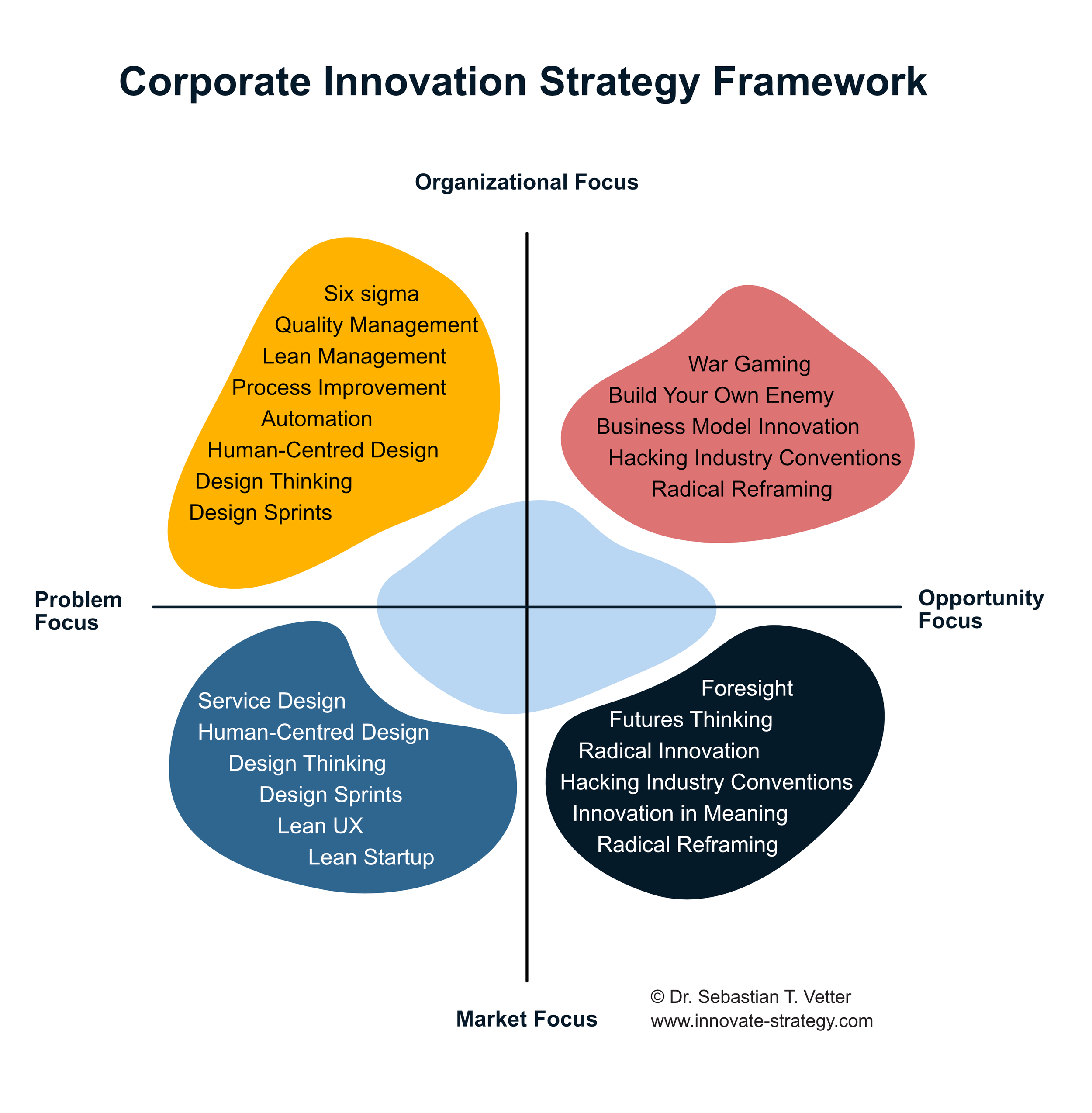
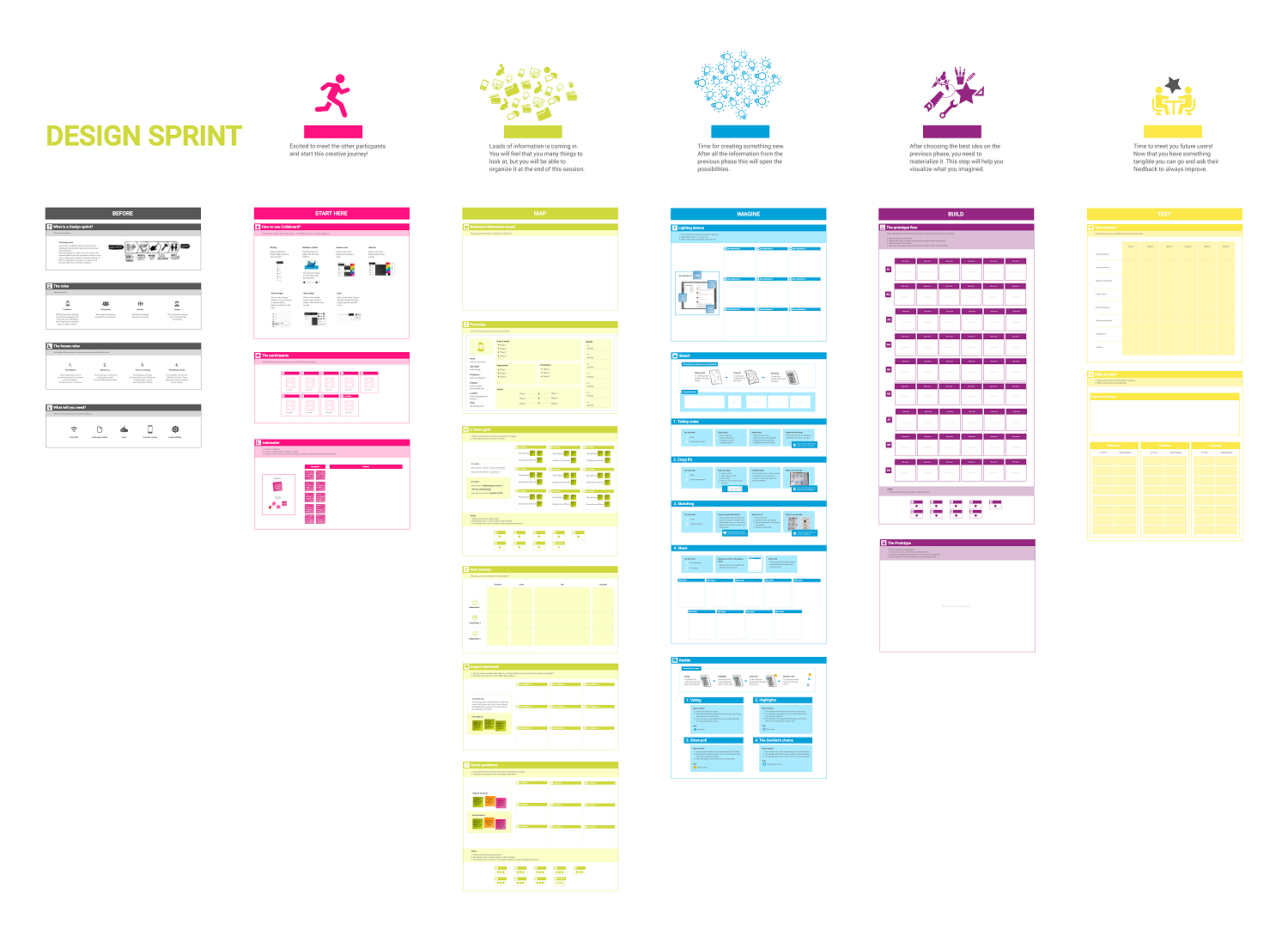
Design thinking emphasizes empathy, ideation, prototyping, and iterative testing as core drivers of innovation.
Creativity influences business strategy through:
Creative thinking enables the development of differentiated products that solve unmet customer needs.
Unique branding and positioning reduce price competition and increase perceived value.
Organizations may creatively redesign revenue streams, distribution channels, or partnership structures.



Organizational culture significantly impacts creative output. Companies fostering psychological safety and experimentation tend to generate more innovative ideas.
Key cultural elements include:
Encouragement of risk-taking
Cross-department collaboration
Continuous learning systems
Diversity of perspectives
Rigid, hierarchical environments often suppress creative exploration.
Leadership determines whether creativity thrives or stagnates.
Creative leaders typically demonstrate:
Visionary thinking
Adaptability
Openness to experimentation
Empowerment of teams
Innovation-focused executives often allocate resources to research and development, digital transformation, and employee development programs.
Marketing provides one of the most visible demonstrations of how creativity drives business growth.
Creative marketing initiatives may include:
Story-driven campaigns
Visual branding systems
Experiential marketing strategies
Viral digital content
Brands that creatively communicate value often achieve stronger emotional connections with consumers.
(Internal Link Suggestion: Link to your Content Marketing Services page here.)
The digital economy amplifies the impact of creativity.
Organizations leverage creative strategies in:
Website design
Conversion optimization
Social media engagement
Video marketing
User experience (UX) design
Businesses integrating creative digital strategies often observe improved engagement metrics and higher conversion rates.
(Internal Link Suggestion: Link to your Web Design & Development Services page.)
Creativity enables firms to:
Introduce unique product features
Improve operational processes
Enhance customer satisfaction
Differentiate brand identity
Sustainable competitive advantage arises when creative capabilities become embedded within organizational systems.
On a macroeconomic level, creative industries contribute significantly to GDP growth, employment, and export performance. Innovation-driven economies demonstrate higher resilience during market disruptions.
Reports from organizations such as the World Economic Forum highlight creativity as a top skill for future workforce competitiveness.[1]
Apple integrated design aesthetics with technological innovation. The iPhone redefined mobile communication through user-centric creative development.
Google cultivated a culture encouraging experimentation, including innovation labs and internal idea incubation programs.
These examples illustrate the measurable relationship between creativity and revenue expansion.
Despite its benefits, creativity faces obstacles:
Short-term financial pressure
Fear of failure
Bureaucratic constraints
Lack of diverse perspectives
Overcoming these barriers requires structural adjustments and leadership commitment.
While creativity is intangible, its impact can be measured through:
Revenue from new product launches
Market expansion rates
Customer engagement metrics
Brand equity growth
Innovation pipeline development
Analytics tools and performance dashboards allow organizations to quantify creative ROI.
SMEs often rely heavily on creativity due to limited financial resources.
Advantages include:
Agility
Faster decision-making
Direct customer feedback
Niche specialization
Creative positioning allows smaller firms to compete with larger corporations.
Sustainability initiatives increasingly rely on creative problem-solving.
Businesses innovate in:
Eco-friendly packaging
Renewable energy adoption
Circular economy models
Sustainable supply chains
Creative sustainability strategies strengthen brand reputation and long-term growth potential.
Emerging technologies enhance creative capacity:
Artificial intelligence
Automation tools
Digital collaboration platforms
Data analytics
Technology expands the possibilities for innovation and strategic experimentation.
Creativity is projected to become even more critical due to:
Rapid technological advancement
Experience-driven consumer behavior
Increased global competition
Workforce transformation
Organizations prioritizing creative capabilities are more likely to achieve sustained growth.
To optimize SEO and Rank Math score, integrate the following internal links:
Link to SEO Services within the Digital Transformation section
Link to Branding Services within the Marketing section
Link to Web Design Services within the UX discussion
Link to Social Media Marketing Services within engagement strategies
Internal linking strengthens topical authority and improves site structure.
World Economic Forum. The Future of Jobs Report.
Harvard Business Review. The Creative Organization.
McKinsey & Company. Innovation and Growth Research.
OECD. Innovation Strategy Report.
(When publishing, convert these into proper outbound authority links.)
Innovation management
Design thinking
Competitive strategy
Organizational culture
Digital marketing
How Creativity Drives Business Growth is not a theoretical concept but a measurable strategic reality. Creativity fuels innovation, enhances competitive positioning, strengthens brand identity, and accelerates revenue expansion.
In increasingly dynamic markets, creativity transitions from optional differentiation to essential infrastructure. Organizations that cultivate creative leadership, foster innovative cultures, and strategically integrate design thinking will remain resilient and growth-oriented in the evolving global economy.