
Having a website is no longer enough.
Millions of businesses invest in design, branding, and advertising — yet many websites fail at the one thing that truly matters: converting visitors into paying clients.
So what makes a website convert visitors into clients?
It is not just beautiful design.
It is not just SEO.
It is not just traffic.
Conversion happens when strategy, psychology, user experience, and trust work together.
In this complete guide, we break down every factor that transforms a simple website into a powerful client-generating machine.
Before we explore what makes a website convert visitors into clients, we must define conversion.
A conversion happens when a visitor completes a desired action:
Filling out a contact form
Booking a consultation
Making a purchase
Downloading a guide
Requesting a quote
Conversion rate =
(Number of conversions ÷ Total visitors) × 100
Even small improvements in conversion rate can dramatically increase revenue.


Conversion is psychology.
Visitors decide within seconds whether to stay or leave.
Three psychological triggers influence conversions:
People buy from brands they trust.
Trust is built through:
Testimonials
Professional design
Clear contact information
Secure payment systems
Social proof
Confusion kills conversions.
If visitors don’t understand:
What you offer
Who it is for
Why it matters
They leave.
Emotion drives decisions.
Logic justifies them.
A converting website speaks to pain points and aspirations.
The first thing visitors must see:
A clear headline explaining exactly what you do.
Example formula:
“We help [target audience] achieve [desired result] without [pain point].”
Your homepage should answer in 5 seconds:
Who are you?
What do you offer?
Why should I care?
Clarity increases conversion dramatically.

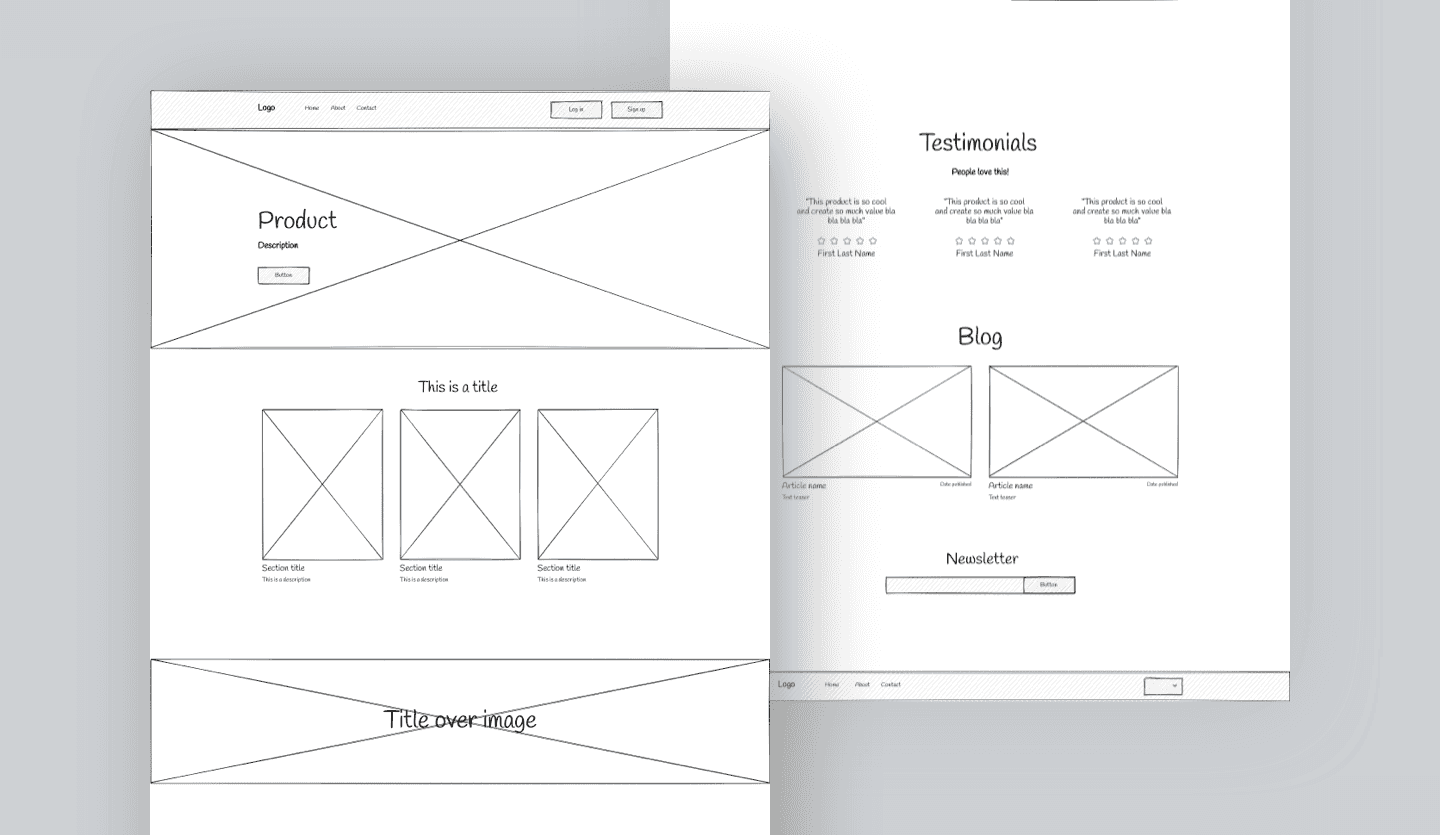
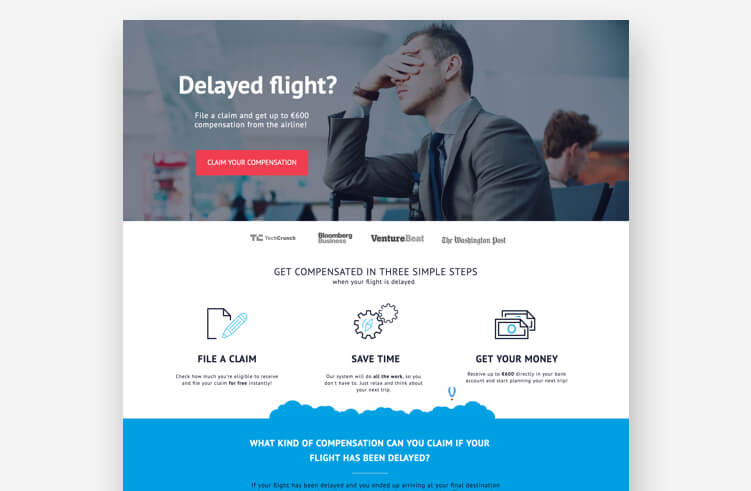
A website that converts follows a strategic structure.
Must include:
Clear headline
Subheadline
Primary CTA button
Supporting visual
Explain the visitor’s pain points.
Show how your service solves those problems.
Testimonials, reviews, case studies.
Tell visitors exactly what to do next.
User experience determines whether visitors stay or leave.
Key UX principles:
Fast loading speed
Mobile responsiveness
Simple navigation
Clear menu structure
Minimal distractions
Google data shows that if a page loads longer than 3 seconds, many users leave.
Speed equals revenue.
Website speed directly impacts conversions.
Ways to improve:
Compress images
Use caching
Optimize hosting
Minimize plugins
Use CDN
Fast websites feel professional and trustworthy.
Over 60% of traffic is mobile.
A website that is not mobile optimized loses clients instantly.
Mobile optimization includes:
Readable fonts
Clickable buttons
Fast loading
Simple forms
Mobile-first design is now standard.

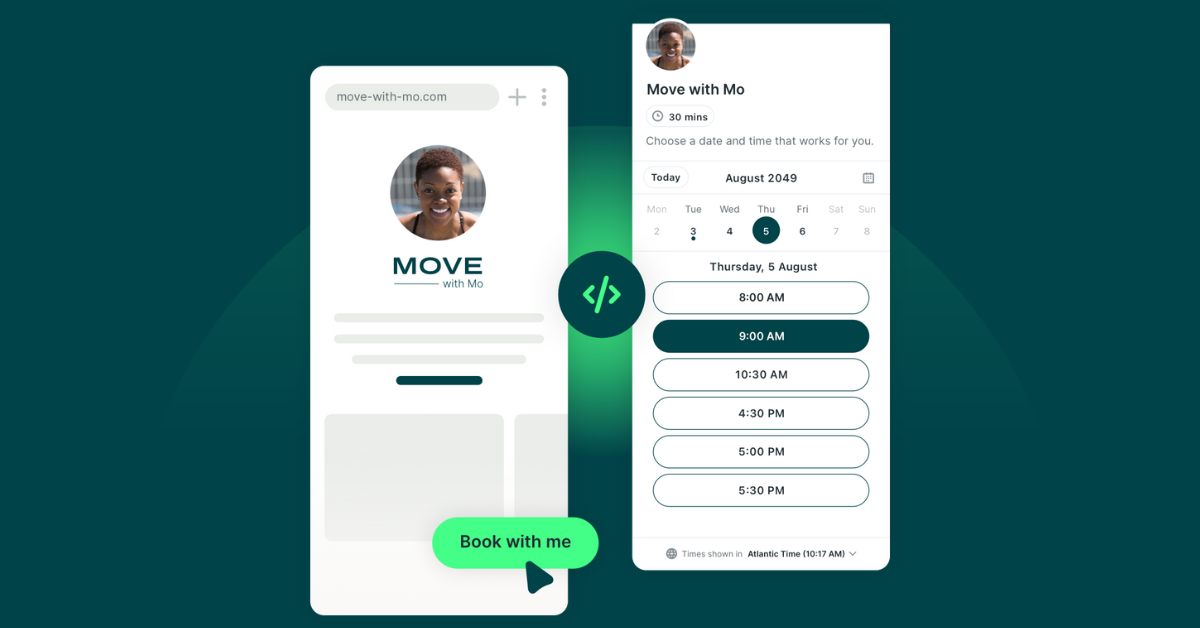

CTAs drive conversions.
Weak CTA:
“Submit”
Strong CTA:
“Book Your Free Consultation Today”
Effective CTAs are:
Action-oriented
Benefit-focused
Visually distinct
Repeated strategically
One page should have one primary goal.
Visitors look for validation.
Types of social proof:
Client testimonials
Video testimonials
Case studies
Reviews
Portfolio examples
Social proof reduces risk perception.
SEO brings traffic.
Conversion turns traffic into clients.
Optimizing for search intent increases conversion rates.
For example:
If someone searches “best web designer for small business,”
they have purchase intent.
Matching content to intent increases results.
Educational content builds authority.
Examples:
Blog posts
Guides
FAQs
Case studies
Content marketing supports conversion by building trust before selling.
Landing pages focus on one goal.
No distractions.
No multiple menu options.
High-converting landing pages include:
Headline
Benefits
Social proof
Clear CTA
They convert better than general pages.
Design affects perception.
Professional design signals:
Authority
Reliability
Quality
Elements that improve conversion:
White space
Consistent colors
Clear typography
Professional images
Design must guide attention.
Long forms reduce conversions.
Best practices:
Ask only essential information
Use progress indicators
Add trust badges
Make fields simple
Less friction = more leads.
Trust signals include:
SSL certificate
Secure payment icons
Refund policy
Contact details
Physical address
Trust reduces hesitation.
Conversion optimization is ongoing.
Tools to use:
Google Analytics
Heatmaps
A/B testing
Measure:
Bounce rate
Session duration
Conversion rate
Test headlines.
Test CTAs.
Test layout.
Small changes can produce big results.
Stories connect deeply.
Instead of listing features,
tell transformation stories.
Example:
Before → After → Result
Stories increase relatability and memorability.
Complex websites confuse visitors.
Simplify:
One main message
One main offer
One primary CTA
Clarity wins over complexity.
Users are cautious.
Display:
Privacy policy
Terms of service
Data protection information
Security improves confidence.
Too many CTAs
Slow loading
No testimonials
Weak headline
No clear value proposition
Poor mobile experience
Avoiding these improves performance dramatically.
What makes a website convert visitors into clients?
It is a combination of:
Clear value proposition
Strong UX design
Fast performance
Mobile optimization
Strategic CTAs
Social proof
Trust signals
SEO alignment
Emotional storytelling
Continuous optimization
When these elements work together, conversion happens naturally.
A beautiful website does not guarantee results.
What makes a website convert visitors into clients is strategy, clarity, trust, and user experience.
Businesses that focus on conversion optimization grow faster, spend less on ads, and build stronger customer relationships.
In 2026 and beyond, conversion-focused websites will dominate the digital marketplace.